However, it’s important to keep your emotions in check and take a thorough, methodical approach when making such a major investment. This is not a decision that should be rushed, and there are several critical factors to consider to ensure your new home is both a good investment and a comfortable living space for years to come.

Location, Location, Location – Beyond the Obvious
We all know that the location of a home plays a massive role in its value and livability. But it’s essential to look beyond the neighborhood amenities and proximity to schools or work. Real estate experts agree that factors like local infrastructure, long-term growth plans for the area, and environmental conditions can have a significant impact on the future of your home.
- 1. Flood Risk and Water Management: Even if a home is located in an area where flooding is not immediately visible, it’s crucial to investigate the flood risk and drainage systems of the land. According to authoritative sources like The National Flood Insurance Program, homes that appear unaffected by water on the surface might actually suffer from hidden moisture or water damage that only becomes visible after significant rainfall. Ask the seller or agent about the area’s water table, drainage systems, and historical flooding data. Even if the property is in a seemingly “safe” area, the underlying plumbing or foundation might be susceptible to water penetration. One of the most expensive and inconvenient issues to address in a home is water intrusion.

- 2. Land Grading and Soil Quality: The quality of the land your house sits on is just as important as the house itself. Some homes are built on land with poor grading or soil conditions that make it more prone to erosion, subsidence, or foundation settling. For example, a study from Harvard’s Graduate School of Design pointed out that unstable soil can cause severe foundation damage over time, leading to costly repairs. A certified surveyor or geotechnical engineer can help evaluate whether the land has been properly graded to allow for adequate drainage, preventing water from collecting near the foundation.
Materials and Construction – Not All Homes Are Built the Same
The materials used in constructing a house will affect its longevity, energy efficiency, and the cost of future repairs. While a new build might seem enticing, it’s important to dig deeper into how the home was constructed, not just its outward appearance.
- Quality of Building Materials: According to The National Association of Home Builders (NAHB), low-quality building materials may seem like a cost-saving option at the time of construction but can lead to significant maintenance costs down the line. For example, if the home uses low-grade siding, roofing materials, or plumbing fixtures, you may find yourself facing repair costs sooner than you think. Don’t hesitate to ask your agent for details about the materials used in the home’s construction and whether any warranties are available for them.
- Structural Integrity: When it comes to the foundation, walls, and roof, never take the condition of these elements for granted. These major parts of the home should be built with durable, long-lasting materials. However, these aren’t always easy to inspect without professional help. Homes with hidden defects, such as compromised structural beams or improperly installed insulation, may not be visible to the untrained eye but could cause headaches down the road. Be sure to request a detailed report on the foundation’s condition.
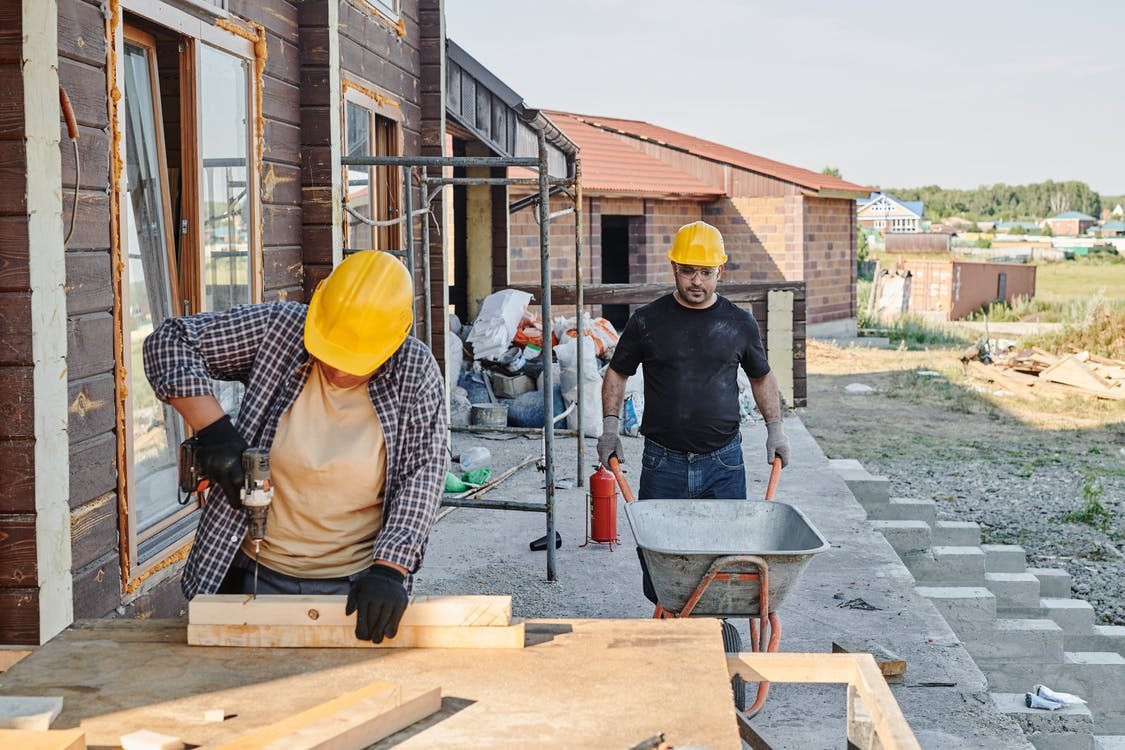
The Importance of Hiring Independent Inspections
One of the most critical steps in buying a house in Montenegro is the inspection. While many buyers will rely on the real estate agent’s recommended inspector, it’s essential to remember that agents are often incentivized by the sale. For this reason, we at Lavic Real Estate recommend hiring an independent third-party inspector to ensure that the information you’re receiving is unbiased and thorough.
1. Avoid Conflicts of Interest: Agencies have a vested interest in closing the deal. As such, they may not always push for a comprehensive inspection or disclose all potential issues with the property. An independent inspector, on the other hand, has no such incentive. An experienced, independent inspector will check all major components of the property, including the roof, foundation, plumbing, electrical systems, and more. This includes looking for subtle, hard-to-spot issues like potential mold growth, water penetration, or hidden structural flaws. A detailed inspection report gives you the power to negotiate repairs, ask for price reductions, or, in some cases, walk away from the property.

2. Prevention of Future Costs: Home repairs can quickly escalate into substantial financial burdens, especially if they’re not caught early. Issues like faulty wiring, outdated HVAC systems, and poor insulation may not be immediately obvious but can cause big problems in the future. A well-rounded inspection report from an independent professional can give you leverage during negotiations and help prevent you from buying a house in Montenegro that may require extensive repairs soon after closing.
Don’t Rush – Take Your Time
The excitement of finding the right home can easily lead to the temptation of rushing the process. However, making a rushed decision can lead to buyer’s remorse and costly mistakes. Take your time to carefully review every detail of the home, from its location to its construction quality, and conduct thorough inspections. When it comes to buying a home, patience isn’t just a virtue; it’s a strategy.
- Ask the Right Questions: Never hesitate to ask the seller, agent, or inspector about any concerns you have. Be proactive in your search for information and don’t shy away from discussing potentially uncomfortable topics. In addition to basic questions about the home’s age, history, and repair needs, consider asking about the home’s energy efficiency, insulation quality, and any issues with pest control.
- Look into Future Development: Before finalizing your decision, investigate any future developments or zoning changes that could affect the area in the years to come. Research local government websites or consult with a real estate attorney to understand the potential for new construction projects, commercial developments, or changes in traffic patterns that could affect your quality of life or property value.
Final Thoughts
Buying a home is not just about finding a place to live, it’s about investing in your future. A carefully considered, patient approach is your best protection against unexpected costs, hidden issues, and long-term regret. Always ensure you’re well-informed about the property, the land it sits on, and the materials used in its construction. Don’t cut corners on inspections—hire independent professionals to give you an unbiased, thorough assessment. Remember, a home is not just a financial asset; it’s a place where you’ll create memories and build your life. Take your time, do the research, and choose wisely. Your future self will thank you for it.